01
The narrated deck
A walkthrough of the research questions, the team responses, and the synthesis. Watch at your own pace before or after the debrief.
twenty.quest
Upload your strategy. Invite your team. Get back an honest, attributed, narrated read on where you agree, where you don’t, and what to do next.
Start a quest →See how a quest runs ↓
A real example, from a leadership team weighing three strategic roads. Names changed; tensions are typical of a Series A NZ company at the moment.
Mere uploads the board deck, the Q1 OKRs, and a Loom from the last offsite. She writes a 280-word brief about the three roads in front of Altitude Labs.

twenty drafts twenty questions grounded in the docs. Mere rewrites two, kills one, and adds her own: what are we not saying out loud about the three roads?
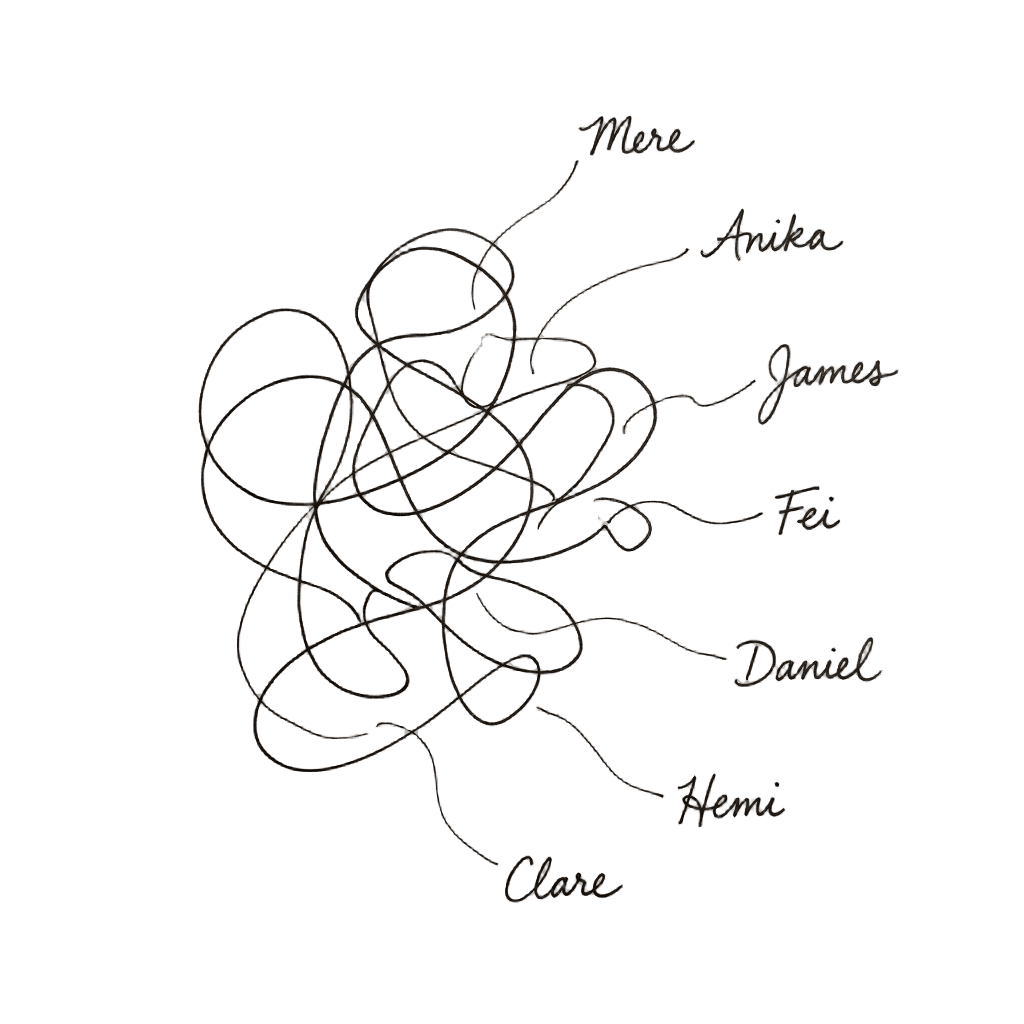
Seven leaders open their magic link from wherever they are. James records his answer walking his dog. Anika writes hers at midnight. Hemi does a mix.

Every concept extracted, every tension named, every agreement surfaced. James' unsaid preference for NZ enterprise is in there. So is Mere's instinct. Attributed, not anonymous.
Mere opens the deliverable. Watches the twelve-minute narrated deck. Sees the concept map. Reads the report. Reads the catalyst draft. Knows what she is walking into the next LT meeting with, and what she is going to say out loud for the first time.
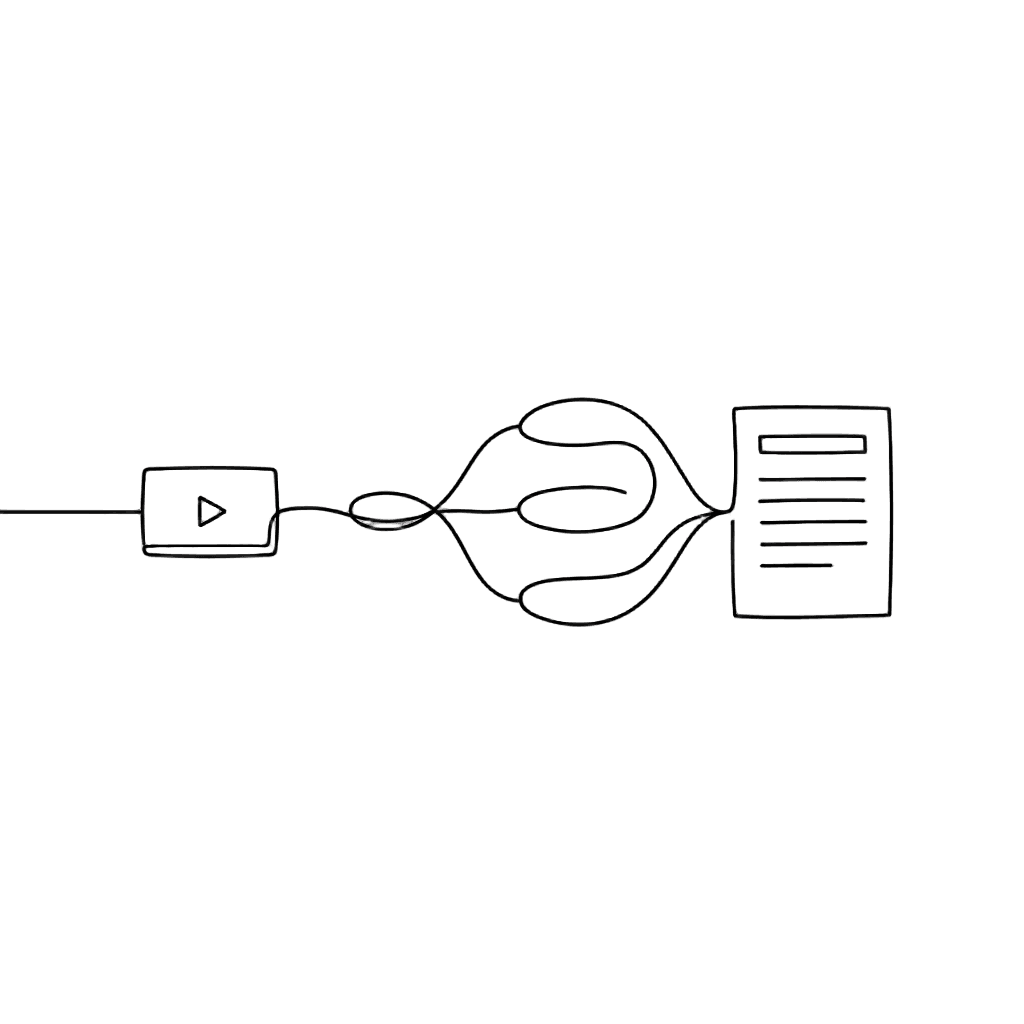
Every quest ends with four artifacts, built from the voices of your team. Not a dashboard. Not a survey summary. A deliverable a leadership team can rally around.
01
A walkthrough of the research questions, the team responses, and the synthesis. Watch at your own pace before or after the debrief.
02
Every idea the team raised, clustered and linked. Sized by how many people raised it; coloured by type. Click to explore.
03
Themes, tensions, and suggested moves, distilled from every answer. A structured record of what the team actually said.
04
A draft for discussion the team can rally around. Twenty chooses the shape (brief, options memo, matrix, role card) that best fits what came out of the answers.
twenty.quest does not replace your offsite, your survey platform, or your consultant. It makes each of them work harder.
Before the offsite
Walk in already aligned on what you agree on and what is tender. Spend the room on rapport and decisions, not direction-setting.
Alongside your engagement survey
Surveys answer aggregate questions anonymously. Quests answer leadership-specific questions with names on them. Different tools, different truths.
Around your consulting engagement
Consultants bring frameworks and outside perspective. Quests surface what your team actually thinks inside them. Use one to brief the other.
twenty is crisp, concrete, and written for people who respect each other’s time. It assumes the trust required to speak plainly and attributes what is said. If you want anonymity and sentiment scores, there are tools for that. This is a different tool.
Coming next: an explicit second round, where twenty probes the sharpest tensions once every first-pass answer is in.